Flexible payment options help small businesses boost sales, improve customer experience, and stay competitive in today’s convenience-driven marketplace.
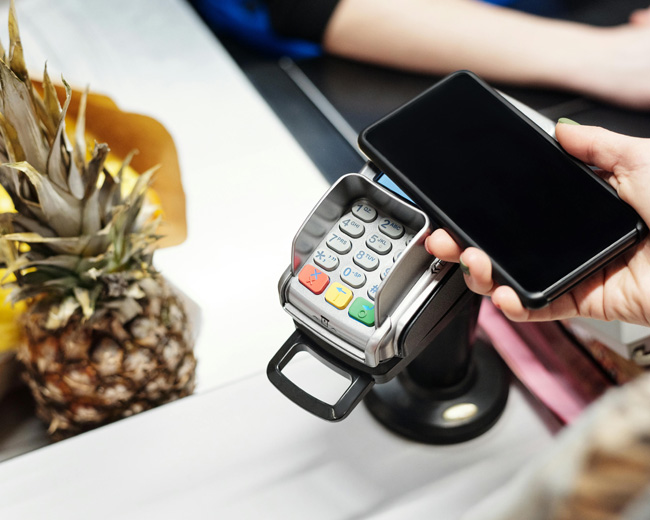
Elevate Your Business with Flexible Payment Options for Customers
In today’s fast-paced, customer-driven market, small businesses must adapt to meet the evolving expectations of their customers. One key way to stay competitive is by offering flexible payment options. These solutions not only enhance customer satisfaction but also boost sales, foster loyalty, and streamline operations. For small businesses, implementing diverse payment methods is no longer optional; it’s a strategic necessity.
Why Flexible Payments Matter
Consumers increasingly expect convenience and choice when making purchases. A 2023 study by Statista revealed that 78% of shoppers prefer businesses offering multiple payment methods, including digital wallets, buy now, pay later (BNPL) services, and contactless payments. Small businesses that fail to provide these options risk losing customers to competitors who do. Flexible payments also cater to diverse demographics, from tech-savvy Gen Z to older customers who may prefer traditional methods like cash or checks.
Beyond customer preferences, flexible payment options can enhance cash flow. Faster payment processing, such as through mobile apps or online platforms, ensures quicker access to funds. Additionally, offering installment plans or BNPL services can attract budget-conscious consumers, increasing the likelihood of larger purchases.
Popular Flexible Payment Options
Small businesses can choose from a variety of payment solutions to meet customer needs:
Digital Wallets: Services like Apple Pay, Google Pay, and PayPal enable customers to make quick payments using their smartphones. These are secure, contactless, and widely adopted, with over 50% of U.S. consumers expected to use digital wallets in 2024, according to Juniper Research.
Buy Now, Pay Later (BNPL): Platforms like Affirm, Klarna, and Afterpay let customers split purchases into manageable installments. This appeals to younger shoppers and can increase average order values by up to 20%, per a 2023 Shopify report.
Contactless Cards and Mobile Payments: Accepting contactless credit and debit cards ensures quick, secure transactions, especially for in-store purchases. This method gained traction during the pandemic and has since become a staple for convenience.
Cryptocurrency: While still niche, accepting cryptocurrencies like Bitcoin can attract tech-forward customers and position a business as innovative. Platforms like Coinbase Commerce simplify crypto transactions for small businesses.
Traditional Methods: Cash and checks remain relevant for certain demographics and industries, ensuring inclusiveness for all customers.
Benefits for Small Businesses
Implementing flexible payment options offers tangible benefits. First, it enhances the customer experience by providing choice and convenience, which can lead to repeat business and positive word of mouth. Second, it can increase sales by removing barriers to purchase—BNPL, for instance, allowing customers to buy now without upfront costs. Third, modern payment systems often come with analytics tools, enabling businesses to track sales trends and customer preferences.
Additionally, flexible payments can reduce cart abandonment in e-commerce. A 2024 Baymard Institute study found that 24% online shoppers abandon carts due to limited payment options. By offering diverse methods, businesses can capture these lost sales.
Challenges and Solutions
While the benefits are clear, small businesses may face challenges in adopting flexible payments. High transaction fees, integration costs, and security concerns are common hurdles. To address these:
- Choose Cost-Effective Platforms: Opt for payment processors like Square or Stripe, which offer competitive fees and easy integration for small businesses.
- Prioritize Security: Use PCI-compliant providers to protect customer data and build trust.
- Start Small: Begin with one or two new payment methods, such as digital wallets, before expanding to BNPL or crypto.
Getting Started
To implement flexible payments, you should assess your customer base and industry trends. A retail store might prioritize contactless payments, while an online boutique could benefit from BNPL. Next, research payment providers that align with budget and technical needs. Many platforms offer plug-and-play solutions that require minimal setup. Finally, promote new payment options through marketing channels to inform customers and drive adoption.
Bottom Line
Flexible payment options are a game-changer for small businesses. By embracing digital wallets, BNPL, and other methods, businesses can meet customer expectations, boost sales, and stay competitive. While challenges exist, the right tools and strategies make implementation seamless. In a world where convenience is king, offering diverse payment options is a smart move for small businesses aiming to thrive.
Recent articles:

Embracing Micro-Influencer Marketing for Small Businesses - Micro-influencers give small businesses authentic reach, higher engagement, and real sales—proving that trust, not size, drives modern marketing.

Using Financial Software to Streamline Small Business Bookkeeping - Automating your bookkeeping saves time, reduces errors, and gives you real-time insights—so you can focus on growth, not data entry.

Using Data Analytics to Drive Small Business Decisions - Data analytics empowers small businesses to make smarter decisions, cut costs, improve marketing, and stay competitive in today’s fast-paced market.

The Rise of Hybrid Work Models for Small Businesses - Hybrid work helps small businesses attract talent, save costs, and stay competitive, making flexibility a key driver of growth in 2025 and beyond.

Financial Planning for Seasonal Businesses - Seasonal businesses can thrive year-round by mastering cash flow, budgeting, and tax planning, turning challenges into lasting growth and stability.

Adapting to Changing Consumer Behaviors in 2025: Essential Steps for Small Businesses - In 2025, small businesses thrive by adapting to changing consumer behaviors—personalization, sustainability, omnichannel strategies, and value-focused offerings drive loyalty and growth.
Previous Articles:
- Elevate Your Business with Flexible Payment Options for Customers
- Understanding and Optimizing Your Business Credit Score
- The ROI of Automation: Affordable Tech Solutions for Small Business Growth
- High-Impact, Low-Cost Marketing Ideas for Small Businesses
- The Small Business Owner’s Guide to Managing Stress and Avoiding Burnout
- With Credit Tightening, How Small Businesses Can Build a Strong Financial Profile
- Post-COVID Trends That Small Businesses Can’t Afford to Ignore
- Standing Out in a Saturated Market: Tips for Small Business Differentiation
- Tightening the Belt: 10 Cost-Cutting Strategies for Small Businesses Facing Rising Expenses
- Five Steps Small Businesses Can Take to Increase Web Traffic
- Retention 101: Keeping Your Best Employees in a Competitive Market
- Creative Ways to Overcome Labor Shortages in Your Industry
- Preparing Your Business for the Next Recession: Actionable Tips
- 2025 Tax Updates for Small Businesses: What You Need to Know
- Email Marketing Mistakes Businesses Must Avoid
- Why Community Engagement is Crucial for Small Businesses
- Adapting to E-commerce: A Guide for Brick-and-Mortar Stores
- Harnessing the Power of Customer Reviews to Boost Your Business
- Small Business Owners Need an Integrated Approach to Post-Pandemic Financial Planning
- How to Build a Strong Brand Identity on a Budget
- The Future of Remote Work: Tips for Small Businesses to Thrive
- Navigating the Gig Economy: Opportunities and Challenges for Small Businesses
- Sustainable Business Practices: How Small Businesses Can Make a Big Impact
- 10 Essential Free Tools for Small Businesses
- 7 Ways Small Businesses Can Benefit from AI and Automation
- How to Leverage Social Media for Your Small Business in 2024
- The AI Advantage: How Small Businesses Can Thrive in the Age of Intelligence
- Shielding Your Business: Essential Insurance for Risk Management
- How Outsourcing Can Help Your Small Business Grow
- Securing Your Data: A Cloud Security Checklist for Small Businesses
- Mastering Cash Flow: How Banks Empower Small Businesses with Cash Management Tools
- Optimizing Productivity for a Remote Workforce
- Digital Strategies: The Engine of a Virtual Distribution Strategy
- Attracting and Engaging Gen Z: The Future of Your Workforce
- Managing Cash Flow for Business Prosperity
- How to Position Your Bank as a Trusted Advisor for Small Businesses—And Why It Matters
- Business Owners Need a Complete Risk Management Plan
- Preparing Your Business to Borrow
- Is Your Business Prepared for Generation Z?
- Small Business Trends You Don’t Want to Miss in 2024
- Ideas on How to Improve the Customer Experience
- Do You Use Website Analytics to Learn About Your Customers’ Interests?
- 5 Strategies to Incorporate into Your Business for 2024
- The Benefits of Mobile Banking and Remote Deposit Capture
- Should You Have a Blog on Your Website?
- Best Practices for Protecting My Business Online
- Using ACH to Improve Cash Flow
- 10 Ideas to Help You Recruit New Talent
- How AI Could Improve Your Business
- Using a Small Business Loan to Expand Your Services
- Local, State, and Federal Resources for Your Business
- Security Essentials for Keeping Business Data Safe
- Leveraging Your Bank’s Cash Management Services to Improve Your Business
- When is the Best Time to Obtain a Business Loan?
- How Much Insurance Do I Need for My Business?
- Incorporating the Latest Merchant Services Technology for Your Business
- A Checklist for Getting Your Small Business Tax Compliant
- How Third-Party Data Can Help Target Marketing
- Is Your Small Business Taking on too Much Debt? Steps to Take to Pay it Down More Quickly
- Leveraging Digital, Direct Mail, and Social Media to Drive Business Customer Acquisition
- Businesses Should Plan Ahead for Year-End Tax Strategies
- Cash Flow Management Tips for Small Businesses
- Recruiting Top-Tier Talent in a Tight Job Market
- Sales or Marketing – Banks Need Both to Grow Revenues
- The Biggest Security Threat to Your Business
- How to Prevent Employee Fraud in Your Business
- There's Still Time to Claim the Employee Retention Credit. What is it, and How to Qualify
- Preparing Your Business to Borrow
- Insurance Essentials for Managing the Many Small Business Risks
- Employers are finding that remote work can be an effective way to increase productivity and lower cost
- Don't Let Your Business be the Next Ransomware Victim
- Taking Advantage of Bank Cash Management Technology
- How to Take Your Digital Marketing to the Next Level
- How Annual Assessments Can Prevent Fraud in Your Business
- How to Position Your Bank as a Trusted Advisor for Small Businesses - And Why it Matters
- Getting to Yes with a Solid Loan Proposal