
Nostalgia-driven loyalty programs build stronger customer connections by blending emotion, authenticity, personalization, and shared memories.
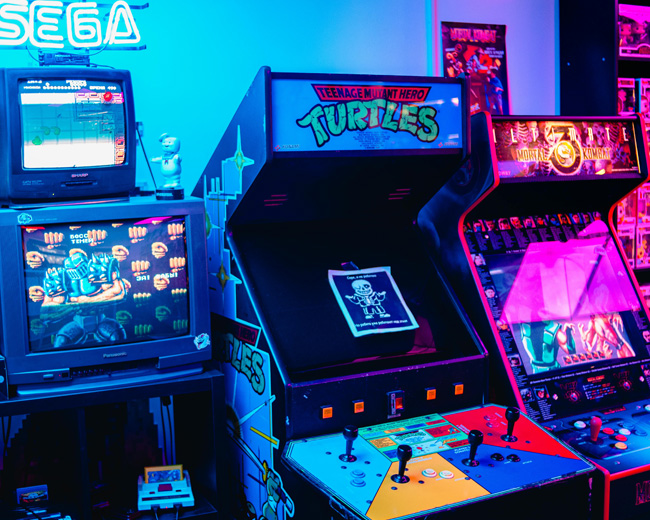
Building Loyalty in a Nostalgia-Driven Market
In today’s competitive landscape, brands are constantly seeking new ways to foster customer loyalty. One powerful yet often underestimated strategy is tapping into nostalgia. A nostalgia-driven market leverages consumers’ emotional connections to the past—whether through childhood memories, retro aesthetics, or legacy products—to build deeper, more meaningful brand relationships. When paired with well-designed loyalty programs, nostalgia can become a compelling force that drives engagement, retention, and long-term brand affinity.
Why Nostalgia Resonates with Consumers
Nostalgia works because it is inherently emotional. Consumers are not just buying a product; they are reconnecting with a feeling, a moment, or a simpler time. This emotional resonance makes customers more receptive to brand messaging and more likely to remain loyal. Loyalty programs that integrate nostalgic elements can amplify these feelings, turning routine transactions into emotionally rewarding experiences.
Designing Nostalgia-Inspired Rewards
One of the most effective ways to build a nostalgia-driven loyalty program is to offer rewards that evoke the past. Rather than generic discounts or points, brands can provide exclusive access to retro-themed products, limited-edition re-releases, or experiences inspired by earlier eras. For example, a fashion brand might reward loyal customers with early access to a revived vintage collection, while a food brand could bring back discontinued flavors as special loyalty perks. These offerings feel unique and personal, reinforcing the emotional bond between the brand and the customer.
The Role of Storytelling and Brand Heritage
Storytelling is another essential component. Loyalty programs should not exist in isolation; they should be embedded in a broader narrative that highlights the brand’s heritage and evolution. By sharing stories about the brand’s origins, iconic products, or cultural impact, companies can create a sense of continuity that resonates with customers. Members of the loyalty program can be positioned as part of this ongoing story, making them feel like insiders connected to the brand’s legacy.
Personalization: Making Nostalgia Feel Personal
Personalization also plays a critical role. Nostalgia is highly individual—what resonates with one customer may not with another. Modern data analytics enable brands to tailor loyalty rewards and communications to customer preferences, purchase history, and demographic insights. For instance, a music platform might offer playlists or rewards tied to the era a user grew up in, while a gaming company could provide perks tied to classic titles a user has previously played. This level of personalization ensures nostalgic elements feel authentic rather than forced.
Enhancing Engagement Through Gamification
Gamification can further enhance nostalgia-driven loyalty programs. Incorporating elements such as collectible badges, tiered memberships, or challenges inspired by classic games can make the experience more engaging. These features not only encourage repeat interactions but also evoke memories of past entertainment, reinforcing the nostalgic appeal. When customers feel a sense of fun and familiarity, they are more likely to stay engaged over time.
The Importance of Authenticity
However, authenticity is crucial. Consumers can quickly detect when nostalgia is used superficially or manipulatively. Brands must ensure that their nostalgic elements align with their identity and values. Simply adding retro visuals or references without a genuine connection to the brand’s history can feel disingenuous and may erode trust. Successful programs integrate nostalgia in a way that feels natural and meaningful.
Building Community Through Shared Memories
Finally, community-building should not be overlooked. Nostalgia often has a shared dimension—people enjoy reminiscing together. Loyalty programs can foster this by creating spaces where customers can connect, share memories, and celebrate their experiences with the brand. Whether through social media groups, exclusive events, or user-generated content campaigns, these communities strengthen emotional ties and create a sense of belonging.
Conclusion: Turning Memories into Loyalty
Building loyalty programs in a nostalgia-driven market requires more than simply looking to the past. It involves thoughtfully blending emotional resonance, personalization, storytelling, and authenticity to create experiences that feel both familiar and fresh. When executed effectively, nostalgia can transform a standard loyalty program into a powerful engine for lasting customer relationships.
Recent articles:

How Small Businesses Can Optimize Operations with Affordable Automation Tools - Affordable automation helps small businesses save time reduce errors and scale operations Start small automate key tasks and grow efficiently without large costs

Implementing AI Agents for Automated Customer Service - AI agents help small businesses improve customer service with 24 7 support faster responses and lower costs while allowing teams to focus on complex tasks.

Preparing Employees for AI-Driven Cyber Threats and Deepfakes - AI powered scams and deepfakes are rising fast making employee awareness training and strong verification practices essential for small business cybersecurity.

Training Employees on Responsible AI Use for Small Teams - Responsible AI training helps small teams boost productivity, reduce risks, protect data, avoid bias, and use AI confidently and ethically in everyday work.

Using Generative AI for Content Creation and Marketing in 2026 - Generative AI helps small businesses save time, cut costs, and compete with larger brands-when paired with human creativity and storytelling.

Navigating Potential Tariffs and Global Supply Chain Changes in 2026 - In 2026, small businesses can offset tariffs by assessing risk, diversifying suppliers, managing costs, and building resilience to stay competitive.
Previous Articles:
- Why Small Businesses Should Resolve to Build an Emergency Fund in 2026
- Managing Debt Effectively for Small Business Owners: A 2026 Guide
- Building Strategic Partnerships for Small Business Success
- Embracing Micro-Influencer Marketing for Small Businesses
- Using Financial Software to Streamline Small Business Bookkeeping
- Using Data Analytics to Drive Small Business Decisions
- The Rise of Hybrid Work Models for Small Businesses
- Financial Planning for Seasonal Businesses
- Adapting to Changing Consumer Behaviors in 2025: Essential Steps for Small Businesses
- Crafting a Realistic Cash Flow Forecast for 2025: A Guide for Small Businesses
- Elevate Your Business with Flexible Payment Options for Customers
- Understanding and Optimizing Your Business Credit Score
- The ROI of Automation: Affordable Tech Solutions for Small Business Growth
- High-Impact, Low-Cost Marketing Ideas for Small Businesses
- The Small Business Owner’s Guide to Managing Stress and Avoiding Burnout
- With Credit Tightening, How Small Businesses Can Build a Strong Financial Profile
- Standing Out in a Saturated Market: Tips for Small Business Differentiation